
An idea for FTFO.com
A small-batch apparel label
Start with one signature garment, a tested sample and a manageable first release.
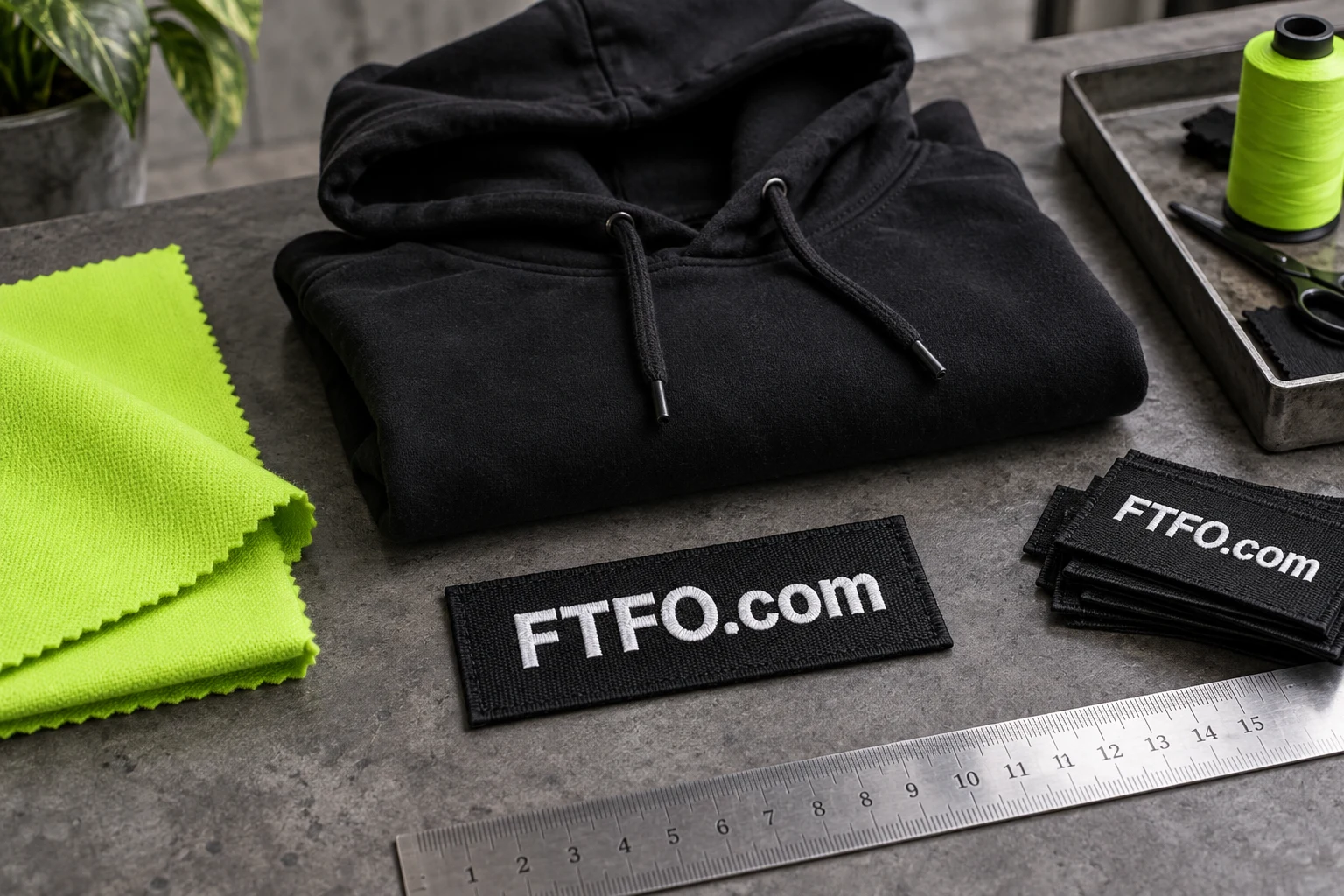
A first apparel collection can be small enough to understand from the cutting table to the customer. For FTFO.com, one illustrative direction is a label built around a signature garment: one silhouette, a considered fabric and a visual detail people can recognize. The first job is to find out whether someone wants to wear it, not to fill a store with products. A single well-developed piece gives the founder a manageable set of decisions to test.
Choose the person and the occasion
Start with a specific use. Imagine a heavyweight overshirt for people who spend their week between a studio and city errands. That example suggests questions about pockets, layering, movement and washing. It gives the sample a reason to exist beyond a printed name. Describe the intended wearer through what they do and what they already buy, then talk with a few people who fit that description.
Bring a physical reference to those conversations. Ask what they like about its weight, what they carry and which details make them leave a garment in the closet. Avoid asking only whether they like your proposed logo. Compliments are easy to give; an account of the last garment they bought and why it disappointed them is more useful. Keep a written list of repeated needs, disagreements and assumptions that remain untested.
Make one sample earn its place
Write a simple specification before commissioning the sample. Record the garment measurements, fabric composition, closures, pocket positions, label placement and desired finish. Ask the maker which decisions affect cost or lead time. A drawing can communicate appearance, while measurements and material references help communicate construction. Keep the version number visible so the sample maker and founder are working from the same document.
When the sample arrives, photograph it in ordinary light and have intended wearers try it on. Ask them to sit, reach and layer it over the clothes they normally wear. Record their size and the exact point of discomfort. Follow the proposed care instructions and compare measurements afterward. These are suggested development checks, not a certification protocol. Their purpose is to replace vague reactions with changes a maker can understand.
Keep the first offer narrow
A first release might offer one fabric and two colors, with a size range supported by actual fit work. Every added option creates another combination to photograph, describe and fulfill. Choose options because they serve a buyer need, and record the operational consequence. If a second color requires a separate production minimum, it belongs in the decision before customers see it on the page.
Build the offer around the information someone needs to choose. Show the real sample from the front, back and side. Include close views of the fabric and functional details. State garment measurements and explain how to compare them with a piece the customer owns. Distinguish a sample photograph from the final production specification if anything will change. A precise description can do more useful work than a paragraph about the spirit of the brand.
Test the economics before taking orders
Prepare a working cost sheet using actual supplier quotes. Include sampling, manufacturing, labels, packaging, inbound freight, payment processing and the labor needed to inspect and dispatch orders. Record which costs change with each unit and which are fixed for the release. Build a second scenario with fewer orders than expected. This shows which costs become difficult to cover before customers commit.
A preorder can be considered only when the production plan supports the promise. In the United States, the FTC's merchandise-order guidance explains the need for a reasonable basis for advertised shipping times and the obligations when shipment is delayed. Read the applicable guidance before accepting payment. A preorder label does not replace a credible schedule or a process for handling changes.
Find a first audience in a real setting
A small fitting session can connect product development and early distribution. Invite people who match the intended wearer, let them handle the sample and give them a way to request launch information. Ask permission before adding anyone to a mailing list. Take notes on what they understand immediately and what you have to explain. Those questions can shape the product page and the next sample revision.
FTFO.com could become the address on the garment label, a printed fitting card and the eventual store. The same identity can support a later collection without tying the name to one product category. The founder would still need to establish naming suitability and make the product worthwhile. The domain's role is to connect those encounters to a consistent destination.
A useful first week
Write a one-page garment brief, select a reference piece and arrange conversations with five prospective wearers. Ask a sample maker for a scoped quote based on that brief. At the end of the week, review what changed: the use case, a construction detail, a cost assumption or the proposed audience. If the conversations reveal little interest in the garment, revise the offer before investing in a full visual launch. The next milestone is a sample worth testing, followed by a dated plan for producing and delivering it.
Make it your own
A new chapter for FTFO.com.
Bring the project. Start the conversation.